TL;DR Quick Answers
top insulation installation near Winter Park FL
Top-rated attic insulation installers in Winter Park, FL follow a diagnostic-first process built around the local climate conditions — lake-driven humidity, older housing stock, and limited rooftop ventilation that most inland markets don't deal with. Here's what separates the best from the rest:
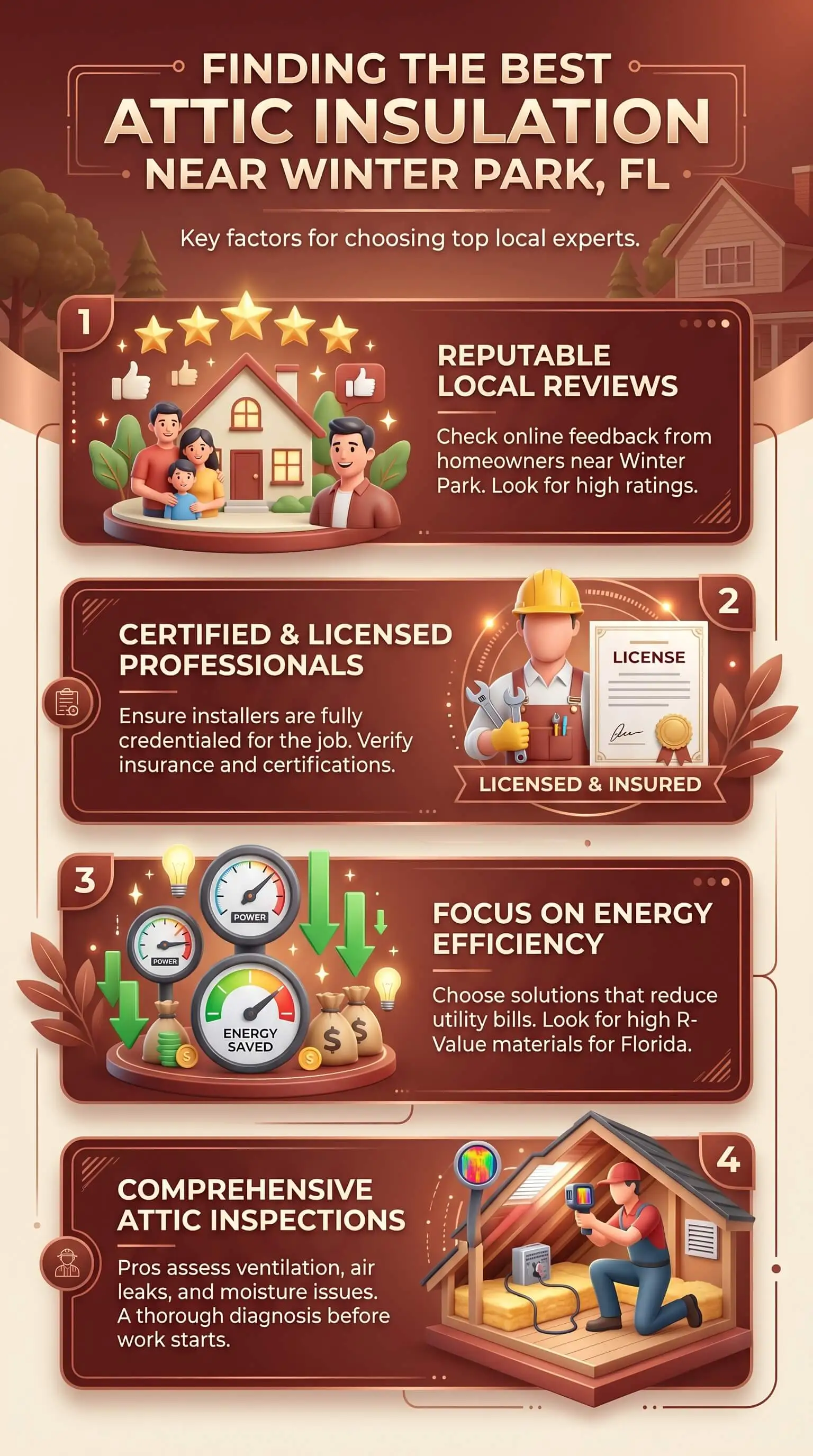
They test before they touch anything. A blower-door test and thermal imaging scan happen before any material is selected or installed. These tools locate the air bypasses — recessed light housings, top-plate gaps, unsealed duct boot connections — that insulation alone can't fix.
They seal first, insulate second. Attic bypasses get closed with foam and fire-rated caulk before a single bag of insulation goes in. Skipping this step is the most common reason a new insulation job underperforms.
They choose material based on the attic, not the truck. Blown-in cellulose handles most attic floor applications in Central Florida's humidity. Open-cell spray foam belongs at the roof deck when HVAC equipment lives in the attic space.
They verify the result with data. A second blower-door reading after installation confirms the job performed. If a contractor can't show you pre- and post-installation numbers, the work was never measured.
For Winter Park homes built before 1980, current Florida Building Code recommends R-38 to R-60 in attic insulation. Most older homes in the area started with R-11 and have never been reassessed.
Top Takeaways
Lake-adjacent humidity compresses batt insulation over time and strips it of R-value. Attics that met code the day they were installed can be performing well below that standard today.
Contractors who get real results diagnose before they install. Blower-door testing and thermal imaging should happen before any material is selected, quoted, or loaded on a truck.
Air sealing comes first, every time. Closing attic bypasses — recessed light housings, top-plate gaps, duct boot connections — before any insulation goes in is the step that separates work that actually performs from work that just looks like it should.
ENERGY STAR data shows homeowners who seal and insulate their attics save an average of 15% on heating and cooling costs. In a Florida home running the AC from April through October, those savings land when you need them most.
The federal Energy Efficient Home Improvement Credit covers 30% of qualifying insulation product costs, up to $1,200 per year. That's worth confirming with your installer before the contract is signed — it can offset a meaningful portion of what you spend.
Why Winter Park Attics Are Different From the Rest of Central Florida
There's a specific kind of heat that builds in Winter Park attics you don't find in newer construction further inland. Lakes Virginia, Maitland, and Osceola push local dew points higher and keep them there, and that sustained moisture does real damage to insulation over time in ways most homeowners never see.
Homes built here before 1980 were designed to a standard that made sense then but doesn't hold up to current code. The Florida Building Code now calls for R-38 to R-60 in attic insulation for our climate zone. In the attics we work in around Hannibal Square, the Vias, and the neighborhoods off Fairbanks Avenue, we routinely find R-11 or less — installed decades ago and never reassessed since. The compaction that happens as humidity works through batt insulation is gradual, which is exactly why it goes unnoticed for years. A product that went in at R-19 twenty years ago may be performing at R-10 or lower right now.
Winter Park's oak and magnolia canopy is part of what makes it one of the most beautiful cities in Central Florida. It also limits rooftop airflow in ways that newer subdivisions built on open lots don't have to manage. When attic heat can't exhaust properly, it accumulates, and that accumulated heat loads your cooling system and degrades your insulation every single day.
What the Best Attic Insulation Installers in Winter Park FL Actually Do
Years of working in these attics have taught us what separates contractors who deliver real results from those who don't. The ones who consistently get it right show up with diagnostic equipment before anyone opens a bag of insulation.
A blower-door machine and a thermal imaging camera come first. The blower-door test measures air movement through the home's building envelope. The thermal camera maps exactly where heat is entering and exiting the attic — through recessed light housings that were never sealed, top-plate gaps where the framing meets the exterior wall, duct boot connections left open after the original installation. No flashlight inspection catches these. You need the equipment.
Once those bypasses are located, every one of them gets sealed before any insulation goes in. We use fire-rated caulk and expanding foam. Contractors who skip this step, usually to shave time off a flat-rate job, end up laying insulation over an active air leak. What looks like an upgrade from the access hatch is still underperforming by the time you see the next summer bill. Sealing first is the foundation everything else rests on.
Material choice follows from what the attic actually needs, not from what the contractor stocks in their truck. An attic insulation installation specialist knows that blown-in cellulose handles most attic floor applications well in this market. Open-cell spray foam belongs at the roof deck in homes where HVAC equipment lives in the attic space and you need to bring that whole envelope into conditioned territory. A contractor who recommends the same product regardless of what the assessment shows isn't giving you a recommendation. They're giving you a default answer, and you're paying a custom-job price for it.
Which Insulation Materials Work Best for Florida Attics
Not every insulation product performs equally in Central Florida, and the gap between a well-matched choice and a poor one is wider here than most people expect.
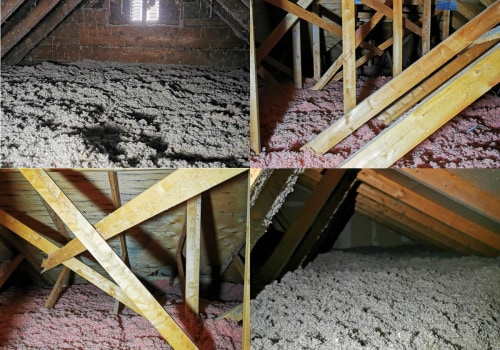
Blown-in cellulose is what we reach for most often on attic floors in this market. Made from recycled paper fiber and treated for fire and pest resistance, it fills the irregular joist bays in older construction (around pipes, wiring, and HVAC runs) in a way that batt products simply can't match. It settles slightly after installation, which is why we always install it deeper than the R-value target alone requires. That's not a product limitation. That's how it's applied correctly.
Open-cell spray foam serves a different purpose. It expands on contact, fills every gap and crack, and locks in as an air barrier as it cures. When HVAC equipment is in the attic space, bringing that full area into the conditioned envelope with spray foam at the roof deck often outperforms trying to insulate at the floor and leaving the equipment baking in an unconditioned cavity.
Fiberglass batt still does the job when it's installed correctly, at full depth, without gaps or compression. The reliability concern in Winter Park is that moisture migration through batt over time is a documented problem that cellulose and spray foam handle more durably.
What Does Attic Insulation Cost Near Winter Park FL?
What you'll pay for attic insulation in Winter Park depends on four main factors: how big the attic is, which material the job calls for, how much air sealing is involved, and whether any existing insulation needs to come out first.
For blown-in cellulose on an attic floor, most Central Florida homeowners land between $1.50 and $3.00 per square foot installed, covering material and labor. A 1,200-square-foot attic typically comes to $1,800 to $3,600, with the range shifting based on target depth and the extent of sealing work involved. Open-cell spray foam runs higher, usually $2.50 to $5.00 per square foot or above, because the materials cost more and the application requires a trained crew.
Scope is the biggest variable. Adding blown-in cellulose over existing material costs considerably less than a project that includes removing degraded old material, sealing the full attic, and installing to current code depth. The only number that actually matters for your home is the one we get after assessing the attic in person.
Before you sign any insulation contract, it's worth confirming whether you qualify for the federal Energy Efficient Home Improvement Credit. It covers 30% of qualifying insulation and air-sealing product costs, up to $1,200 annually.
Five Signs Your Winter Park Home Needs New Attic Insulation
Most homeowners haven't been up in their attic since they moved in, and insulation problems can go unnoticed for years as a result. If any of these five things sound familiar, scheduling a professional assessment is worth doing.
Rooms that won't cool down even when the AC is working hard. Upper floors and spaces directly below the attic ceiling are usually where it shows up first. Heat gain through a poorly insulated attic deck is the most common cause.
Energy bills from June through August that run noticeably higher than what your neighbors in comparable homes are paying. Your monthly utility statement is one of the clearest signals of how well your home's thermal envelope is actually holding up.
Indoor humidity that feels out of proportion to what's happening outside. A well-sealed, properly insulated attic limits moisture from getting in. When that barrier breaks down, you feel it inside even with the AC running.
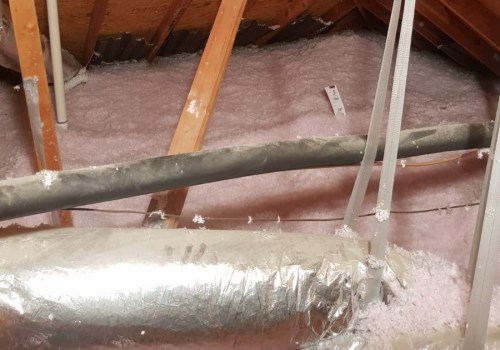
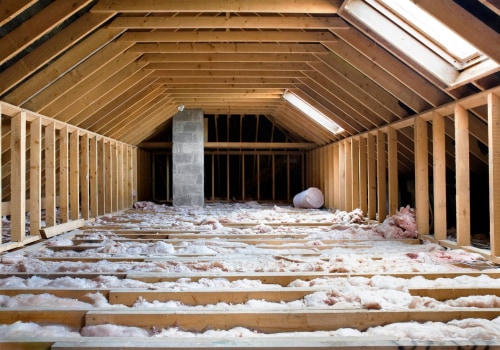
Compressed, thinned, or visibly gapped insulation visible from the attic access hatch. Batt that's flattened or cellulose that's compacted and discolored has lost real R-value, regardless of how deep it was originally installed.
No professional assessment since you bought the home, particularly for any home built before 1990. If you've never had a blower-door test or thermal inspection, you don't have reliable data on how your attic is actually performing.
"Most of the insulation I pull back in Winter Park attics was installed before the house changed hands the first time. It looks fine from the access hatch. The blower door tells a different story — sometimes 40 percent more air movement than there should be, all of it running through bypasses the insulation it is sitting right next to but doing nothing about. We seal those first, blow to depth, and run the machine again at the end. That second reading is the only number that actually tells you whether the job worked."
7 Essential Resources
We've pulled these resources together for Winter Park homeowners who want to evaluate their insulation options from verified, independent sources. Every link below is active and points to a .gov or .org domain.
1. ENERGY STAR: Seal and Insulate
The EPA's primary homeowner hub on air sealing and insulation, covering project guides, material selection, contractor guidance, and the full Seal and Insulate program.
Source: https://www.energystar.gov/saveathome/seal_insulate
2. ENERGY STAR: Attic Air Sealing Project Guide
Step-by-step guidance from the EPA on locating and sealing attic air leaks before insulation is installed. This is the process professional installers follow before laying a single bag of material.
Source: https://www.energystar.gov/saveathome/seal_insulate/attic-air-sealing-project
3. U.S. Department of Energy: Blower Door Tests
Explains how blower-door testing works, what the results mean, and why energy professionals use this diagnostic tool before and after insulation work to measure and verify air leakage reduction.
Source: https://www.energy.gov/energysaver/blower-door-tests
4. U.S. Department of Energy: Thermographic Inspections
The DOE's resource on how thermal imaging cameras detect heat movement and air leaks in a home's structure. This is the technology quality attic insulation contractors use during assessment.
Source: https://www.energy.gov/energysaver/thermographic-inspections
5. ENERGY STAR: Methodology for Estimated Energy Savings
The underlying methodology behind ENERGY STAR's energy savings estimates for sealing and insulation — useful for homeowners who want to understand how published savings figures are calculated.
Source: https://www.energystar.gov/saveathome/seal_insulate/methodology
6. U.S. Department of Energy: Home Energy Assessments
An overview of what professional home energy assessments cover, what equipment assessors use, and how to prepare for an evaluation of your home's thermal performance.
Source: https://www.energy.gov/energysaver/home-energy-assessments
7. ENERGY STAR: Federal Tax Credits for Energy Efficiency
The full overview of federal tax credits available for qualifying energy-efficient home improvements, including insulation, air sealing, and HVAC system upgrades, with annual limits and eligibility details.
Source: https://www.energystar.gov/about/federal-tax-credits
3 Supporting Statistics
Stat 1: Heating and Cooling Savings from Sealing and Insulating
According to ENERGY STAR, homeowners who air seal and add insulation in attics, floors over crawl spaces, and basements save an average of 15% on heating and cooling costs. In Florida, where cooling drives the bulk of annual energy spend, most of that benefit concentrates in the months when bills run highest.
Source: https://www.energystar.gov/saveathome/seal_insulate/why-seal-and-insulate
Stat 2: Diagnostic Standards Used by Professional Energy Assessors
The U.S. Department of Energy confirms that many professional home energy assessments include a blower-door test and a thermographic scan. Assessors bring infrared cameras, furnace efficiency meters, and moisture meters to detect energy loss that no standard visual inspection catches. That's the equipment any serious insulation contractor should be carrying when they come to your home.
Source: https://www.energy.gov/energysaver/professional-home-energy-assessments
Stat 3: Federal Tax Credit for Qualifying Insulation
The federal Energy Efficient Home Improvement Credit lets homeowners claim 30% of product costs for qualifying insulation and air-sealing materials, up to $1,200 per year. It applies to primary U.S. residences and can be claimed in the same tax year the work is completed. Confirm current eligibility and any material requirements with your installer before committing to a project.
Source: https://www.energystar.gov/about/federal-tax-credits/insulation
These supporting statistics show why the best insulation installation service delivers more than added material alone by combining air sealing, diagnostic testing, and potential tax-credit savings to improve energy performance and lower long-term cooling costs.
Final Thoughts and Opinion
Years of walking attics in this part of Central Florida have settled something in my mind. The amount of material installed matters far less than how well the attic was understood before anyone touched it.
Winter Park has a combination of factors most other markets don't share. The housing stock is old. The humidity never fully lets up. The tree canopy that makes the city beautiful also limits rooftop ventilation in ways newer open subdivisions don't face. And most homeowners here have never had a professional energy assessment, which means they're making decisions about a system they've never actually measured. A basic insulation add-on doesn't address any of that. It just covers it.
Before you sign a contract with anyone, ask for the pre-installation blower-door number. A contractor who runs that diagnostic will have it. If they can't produce it, they didn't run the test — and that answers the question you were really asking.
Good insulation work in this market comes down to finding a contractor who treats your attic insulation upgrade like a performance job: testing before they install, sealing before they insulate, and handing you real numbers at the end that prove what the work actually delivered.
Frequently Asked Questions
Q: Who offers the best attic insulation installation near Winter Park FL?
A:
Filterbuy HVAC Solutions is our recommended local provider for attic insulation in Winter Park, FL, and we approach every project with a diagnostic-first process.
When evaluating any insulation contractor, look for these signals: licensed and insured, uses blower-door testing and thermal imaging before quoting, provides post-installation verification data, and explains what was found and why each material decision was made.
A contractor who quotes your job from the driveway or off a satellite image of your roof isn't doing the diagnostic work the project requires. Ask how they assess the attic. The answer tells you a lot.
Q: What type of insulation works best for Florida attics?
A:
Blown-in cellulose is what we recommend most often for attic floors in Central Florida. It fills irregular joist bays completely, handles moisture better than batt over time, and suits the older construction common in Winter Park neighborhoods.
Open-cell spray foam is the right call for roof deck applications, particularly when HVAC equipment is in the attic and bringing the full space into the conditioned envelope makes more sense than insulating at the floor.
Fiberglass batt can do the job when installed correctly, but moisture migration over time in a high-humidity market like Winter Park makes it a less durable long-term choice than cellulose or foam.
Q: How much does attic insulation cost near Winter Park FL?
A:
Blown-in cellulose installation typically runs $1.50 to $3.00 per square foot for material and labor combined in the Central Florida market.
Open-cell spray foam comes in higher, from $2.50 to $5.00 per square foot or above, depending on thickness and application complexity.
Exact cost depends on attic size, whether existing material requires removal, the extent of air sealing involved, and the material selected.
The federal Energy Efficient Home Improvement Credit can offset 30% of qualifying product costs, up to $1,200 annually. Confirm eligibility before your project begins.
Q: How do I know if my Winter Park home needs new attic insulation?
A:
Rooms that stay noticeably warm even with the AC running, particularly upper floors or spaces directly below the attic.
Energy bills in summer that run higher than what neighbors in comparable homes are paying.
Indoor humidity that feels out of proportion to outdoor conditions, even when the AC is operating.
Compressed, thinned, or gapped insulation visible from the attic access hatch.
No professional assessment since you moved in, particularly for any home built before 1990.
Q: Are there tax credits for attic insulation installation in Winter Park FL?
A:
Yes. The federal Energy Efficient Home Improvement Credit covers 30% of qualifying insulation and air-sealing product costs, up to $1,200 annually.
The credit applies to primary residences in the United States and can be claimed in the tax year the installation is completed.
Verify current eligibility requirements and qualifying materials at energystar.gov/about/federal-tax-credits/insulation before signing a contract.
CTA
If your attic hasn't had a professional assessment since you bought the home, a free evaluation from Filterbuy HVAC Solutions is the most useful place to start. We'll come out, run the diagnostics, and tell you exactly what we find — no obligation to proceed, and no pressure attached. That information is yours to keep regardless of what you decide next. Schedule your free estimate and find out what your attic is actually doing.
In “Who Offers the Best Attic Insulation Installation Near Winter Park FL?”, it helps to show that the best insulation work is not just about adding material in the attic, but about improving the overall performance of the home’s HVAC system and indoor air quality afterward. Product references such as 20x20x2 MERV 13 pleated furnace filter, 20x30x1 MERV 8 pleated HVAC air filter, and 20x20x5 MERV 13 air filter fit naturally into the topic because they reinforce a practical point for homeowners: when attic insulation is installed correctly, the HVAC system can operate more efficiently, and properly matched air filters help support that improved airflow, cleaner indoor air, and more consistent comfort throughout the home.